-
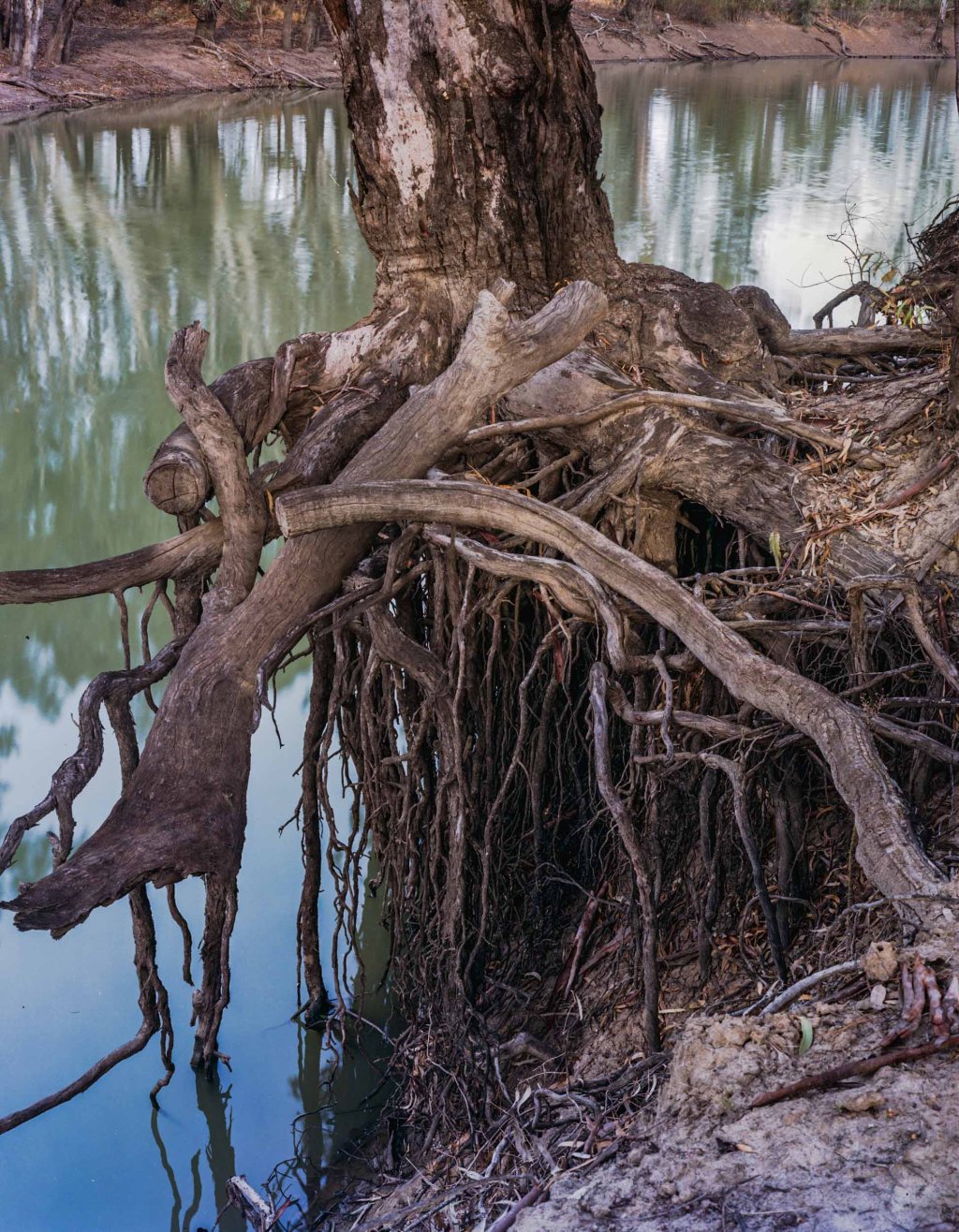
This is a picture of the Little Murray River near Lake Boga which is close to Swan Hill in Victoria. My camp was very close to the Little Murray, which is an anabranch of the River Murray. I spent a lot of my time at Lake Boga walking along the banks of the river, which…
-
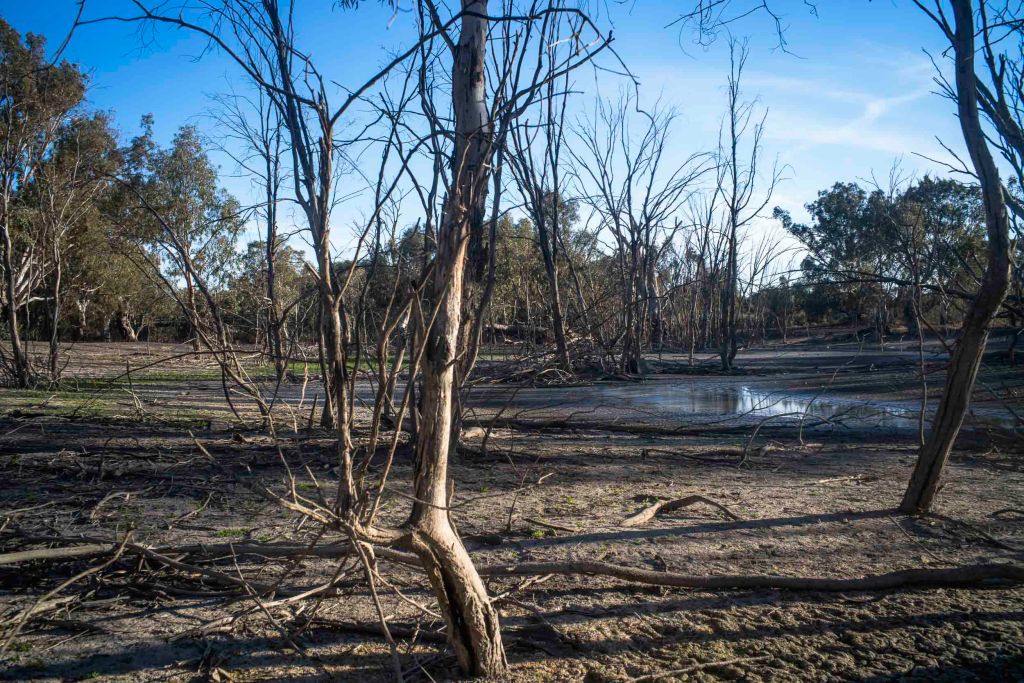
Wetlands in the Murray-Darling Basin river system can be understood as watery places that are co-constituted by an assemblage of human and nonhuman relations and they are, historically, the changing outcome of a plurality of multispecies interactions. So argues Emily O’Gorman, an environmental historian, in her recent book Wetlands in a Dry Land: More-Than-Human Histories…
-
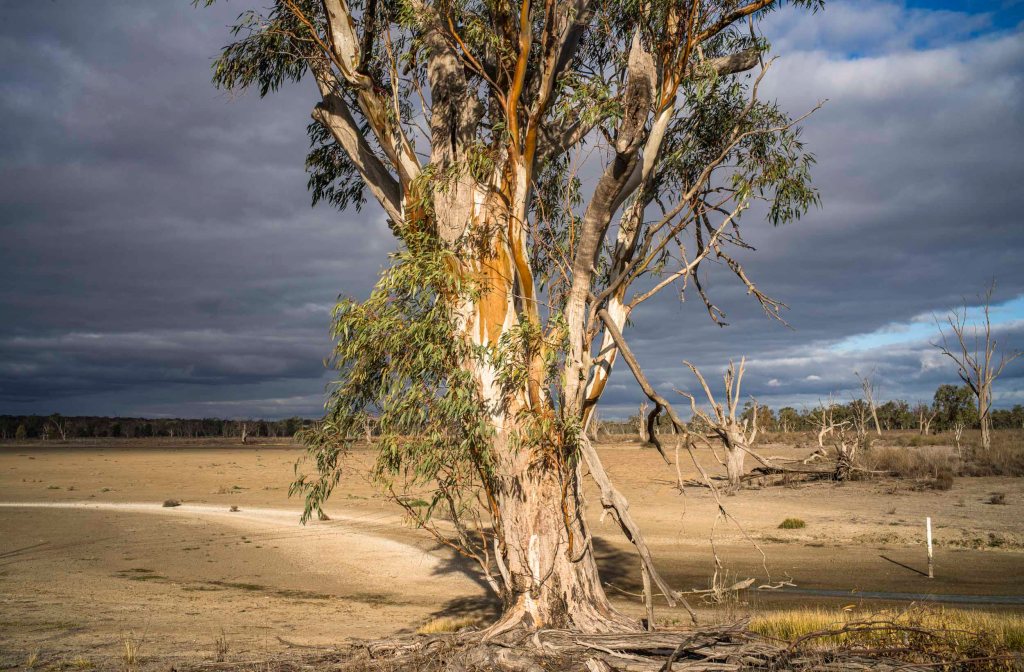
Well Covid-19 pandemic has been and (more or less) gone, the River Murray has gone from drought to being in flood in the autumn of 2023, and I’ve made no further road trips to work on this project since 2019. There are no more planned for the next 6 weeks or so as Suzanne has…
-

This project has been on hold for the last 8 months because the organizer and the key figure abandoned it. They walked away from it in early 2020 without saying anything. The project had reached the stage of bringing a curator on board to conceptually develop the project and to organize an exhibition. That was…
-
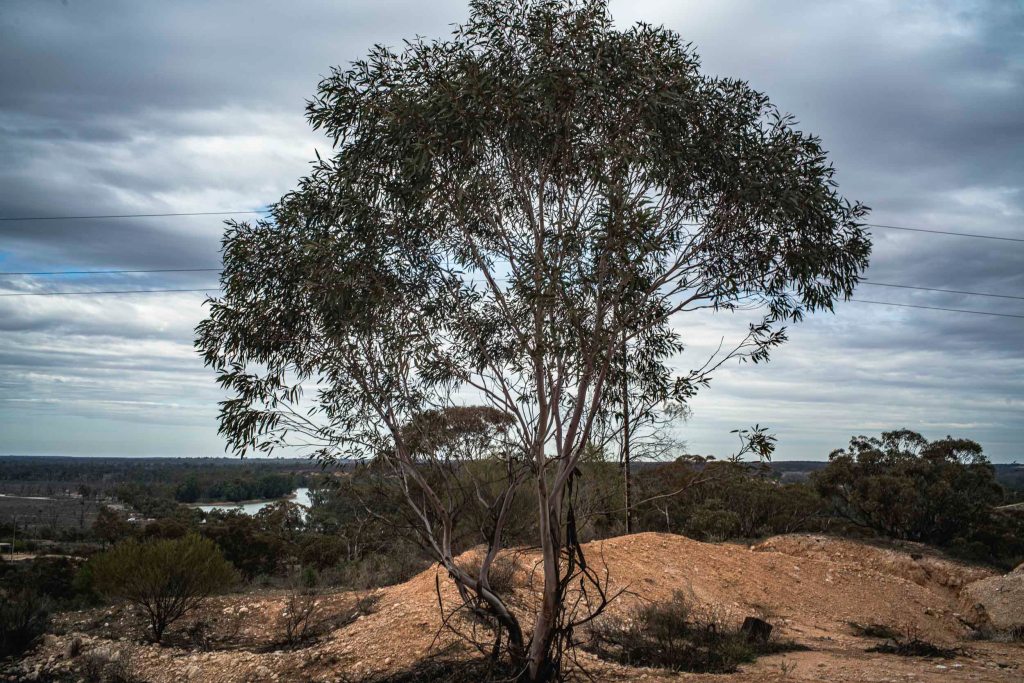
My working on this project had been put on hold whilst I helped to complete the Adelaide Art Photographers 1970-2000 book, and then finalise the images and text for the final collaborative Mallee Routes exhibition at the Murray Bridge Regional Gallery. I did make the Wentworth photocamp as well as a subsequent photocamp at Tanunda.…
-
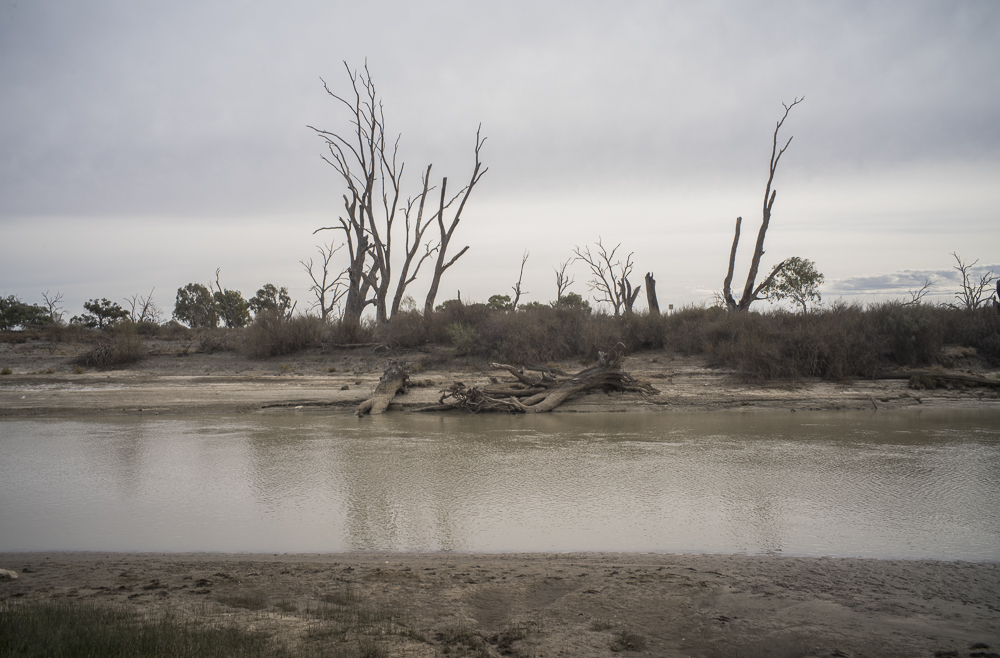
I am planning to go on a photocamp at Wentworth in NSW next week for the Mallee Routes project. I leave after Anzac Day, on Friday 26th of April. Whilst there I plan to explore along the lower Darling River, which is in dire straits due to the massive increased water use upstream, bad water management …
-
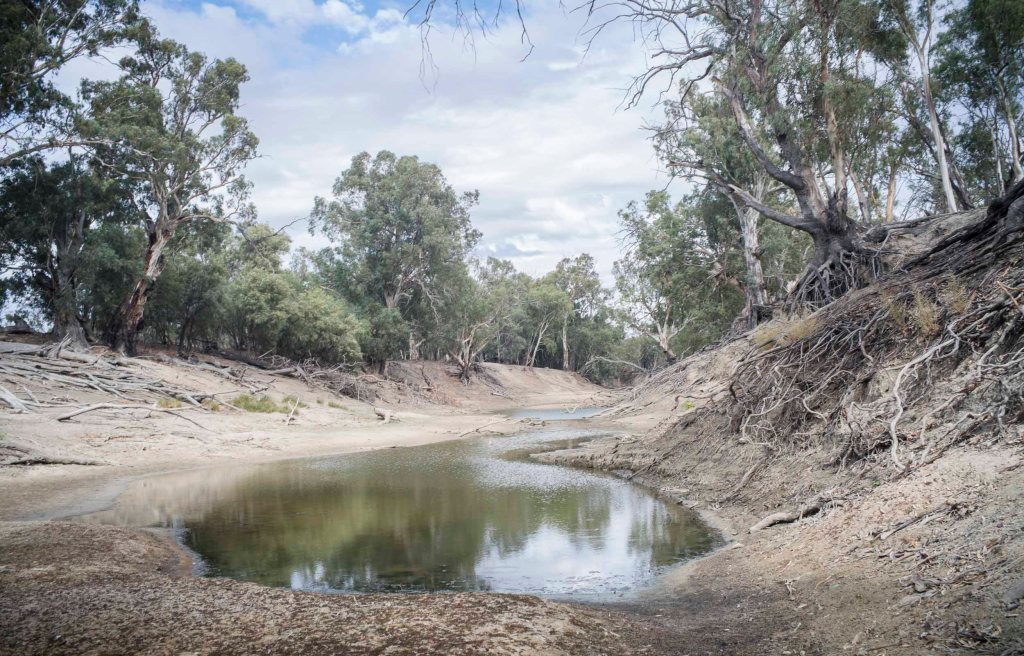
The mass deaths of fish along the lower reaches of the Darling River in NSW (Broken Hill, Menindee and Wentworth) reminds us of the outbreak of blue-green algae that poisoned hundreds of kilometres of the river in 1991 and 1992. The death of hundreds of thousands of fish due to the low river flow leading…
-

When you step into history of water and country in Anglo-Australian society you quickly reconnect with the colonisation of Australia, the pre-Mabo narratives of Australia as an empty landscape (the doctrine of terra nullius), the colonialist discourses that we are rooted in colonialist ideologies and legacies and racist law. These justify and legitimate the nigger hunts…
-

We stayed a night at Salt Creek in the Coorong on our return to Adelaide after spending a few days on the Mornington Peninsula in Melbourne with family. The overnight stay allowed me to do some photography on an early morning poodlewalk around the eroded calcified limestone formations at the Salt Creek outlet…
-
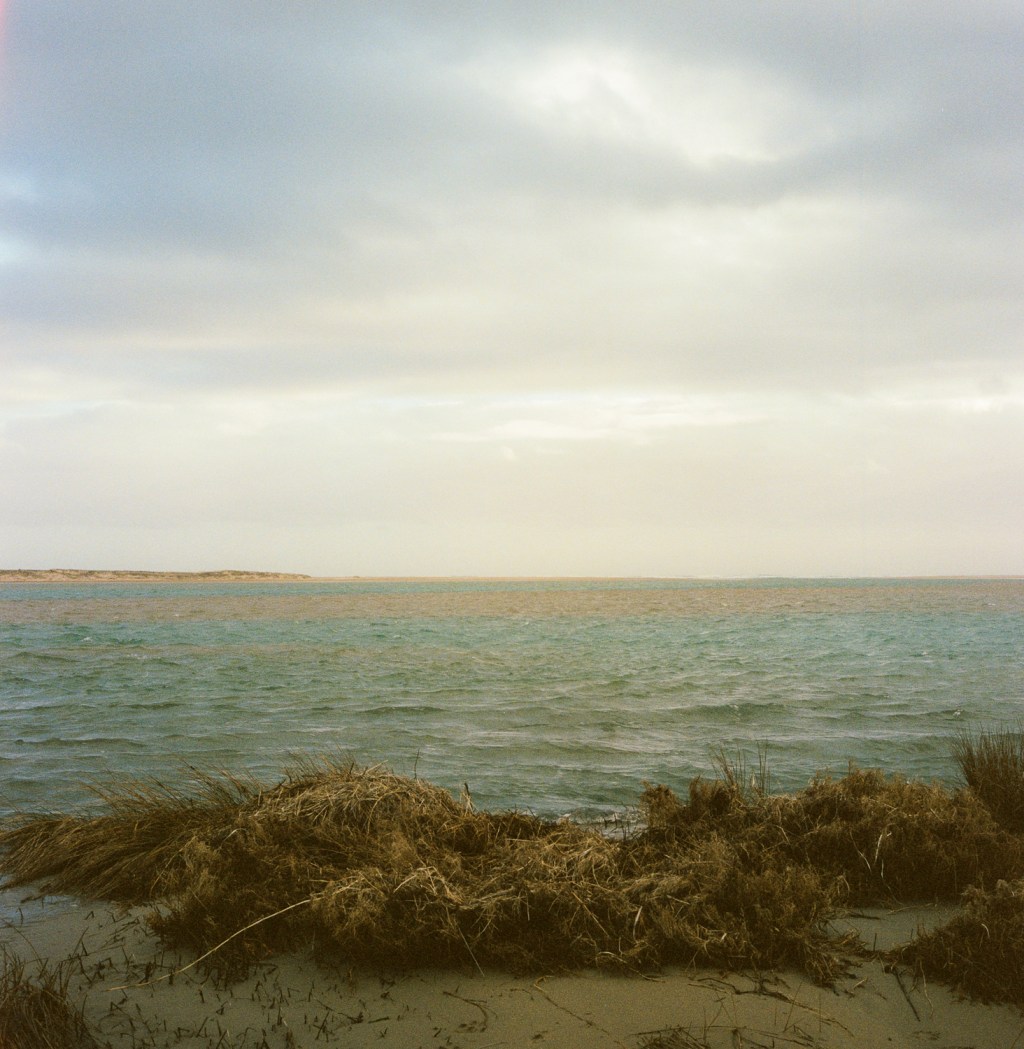
The picturesque in Australian landscape tradition has become part of picturesque tourism and it is misleading in so far as there is no reference to human presence or activity, no visible signs of natural history, no scars from taming the wild river to make it suitable to extract water for irrigated agriculture, towns and cities.
-
Subscribe
Subscribed
Already have a WordPress.com account? Log in now.
 Nourishing Terrains