
It was a welcome relief to come across pockets of habitat in the Lower Lakes and the Coorong National Park that were in a healthy condition, despite the lack of river flow during the Millennium Drought (1997–2009) in south-eastern Australia.
These low flows happened within the proposed Anthroprocene period, which is a time when much of the diversity of life on Earth is being lost through human action causing a steady global warming.
This experience foregrounds the need for photography, as a form of art, to be more open to the experiences of nature; and to be part of a rethinking that questions our most basic cultural narratives if photography in the 21st century is not to degenerate into idle chatter.
The causes for the ecological devastation in the Coorong during the Millennium Drought were the reduced freshwater flows from upstream. These, in turn, were caused by both the low rainfall during the drought, and the over extraction of water for the upstream, irrigated agricultural industries. As a result, the shallow water in the Coorong become saltier than seawater, and this diminished the life that previously thrived in the mixture of fresh and saltwater.
The 28-32 Mile Crossing in the Coorong is at the bottom end of the River Murray, which had become a regulated river for irrigation water supply between 1910 to 1950. This was a period of history in which dams and weirs became powerful symbols of the transformative power of engineering and technology.
Though the Millennium Drought was a time of low rainfall, the melaleuca pictured below looked to be in good condition. It was growing on the side of the Old Coorong Rd, near the 28-32 Mile Crossing, near The Granites, and it would be normally be overlooked or disregarded. However, such a healthy tree within the highly stressed Coorong suggests the need to start thinking about the fate of non-human others in the Murray-Darling Basin:
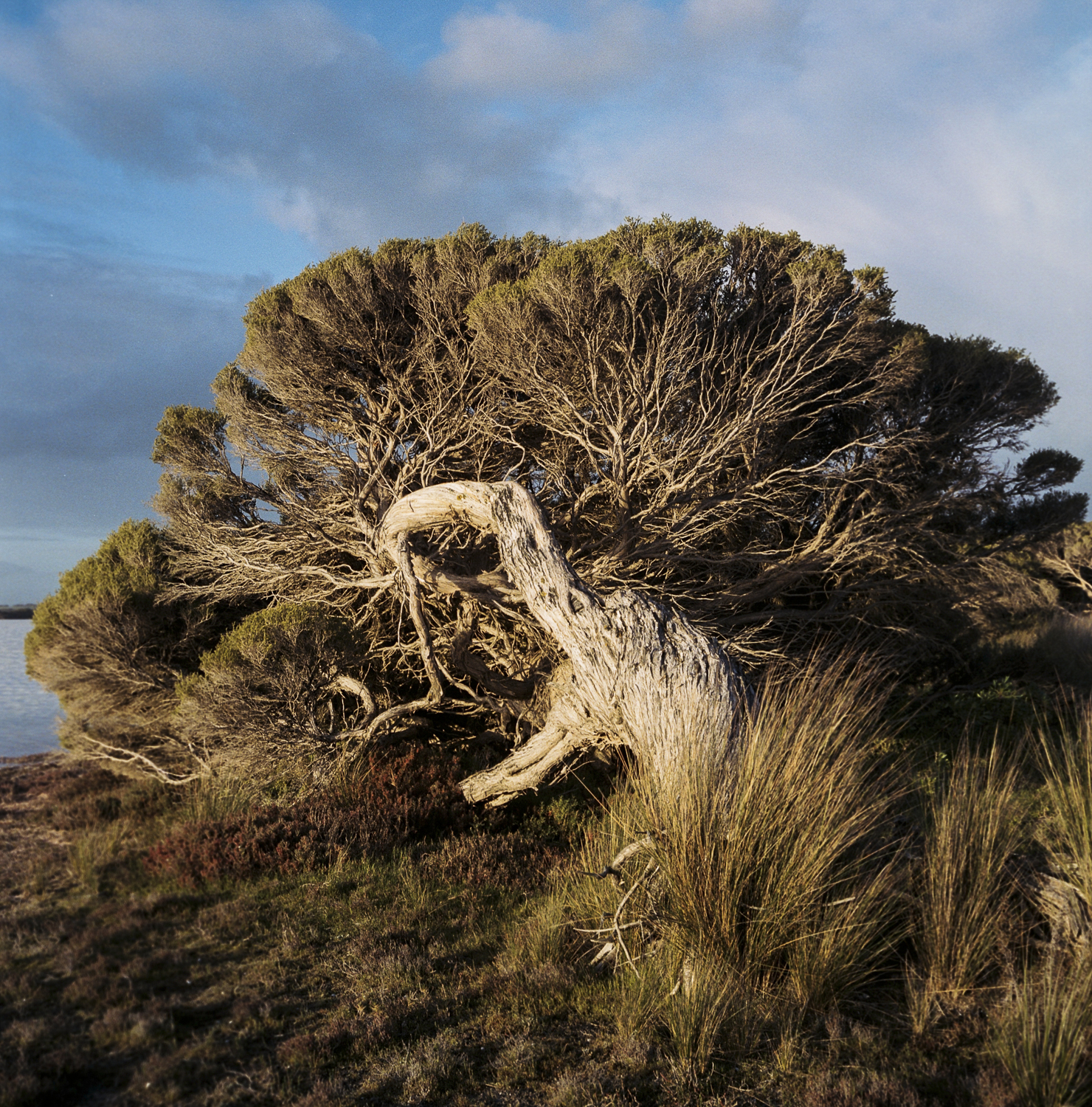
This part of the Coorong suggests we need to move away from a more simplistic dichotomy of nature versus humans to a photographic culture that works with a more nuanced and multilayered narrative.
The 28-32 Mile Crossing is before 42 Mile Crossing as the distance is measured from the township Kingston that lies south of the Coorong. The representations of 42 Mile Crossing assume the conventional understanding of the ‘natural world’ as a passive background to human dramas.
It is seen as a popular spot for fishers, campers and tourists, as it is one of the few locations within the Coorong National Park providing ready access to the Young Husband Peninsula and the ocean beach without the need of water-craft. This conventional understanding ignores the deep time of earth history within which such human action is situated.
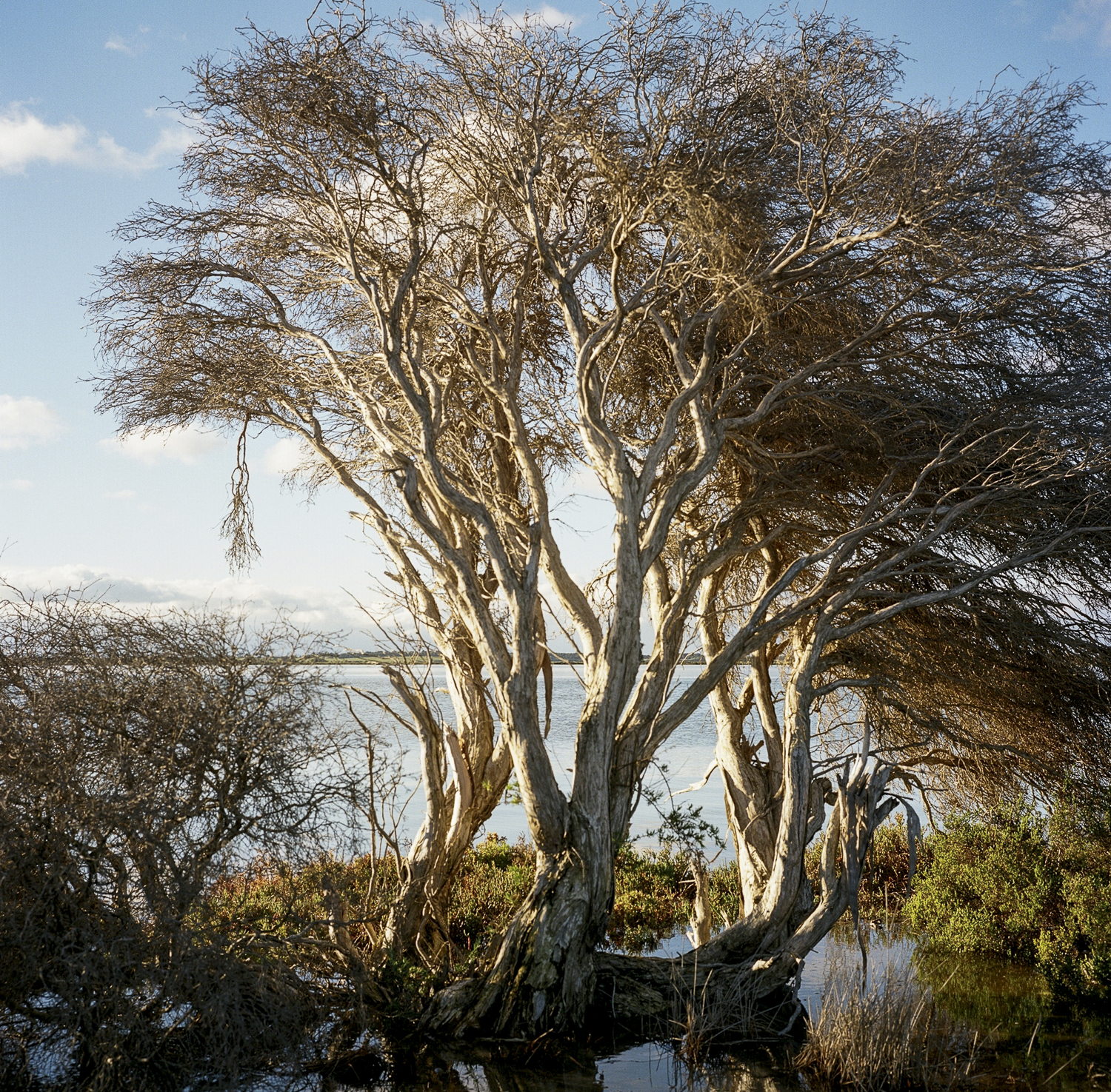
Despite the growing evidence for anthropogenic climate change and its slow violence (eg., the reduced stream flows into Lake Alexandrina and the distressed condition of the Lower Lakes) there was also some healthy habitat along the Mundoo Channel in the Murray Mouth. This malaleuca was growing just south of the holiday homes with their launching areas and jetties:
The proposed Anthroprocene period refers to human-kind causing mass extinctions of plant and animal species, polluted the oceans and altered the atmosphere, among other lasting impacts. It is important with respect to the Murray-Darling Basin as it allows us to unite many different discussions regarding the state of the planet, from climate change to loss of biodiversity to environmental degradation, by identifying the one thing they have in common: they have all been affected by human action.
The concept of the Anthropocene undercuts the long-standing narrative of humanity and nature being separate, since in this new geological epoch, the planet’s biophysical systems are no longer independent of humans, who have collectively become a geophysical force causing planetary change.

By the end of the 1980s, the increasing scientific and political concern about anthropogenic climate change and its likely impacts had begun to seriously challenge conventional approaches to economic development and environmental management.
The scientists pointed to the following evidence: terraforming of the earth through mining, urbanization, industrialization and agriculture; the proliferation of dams and diverting of waterways; intense bush fires, CO2 and acidification of oceans due to climate change; the pervasive presence around the globe of plastics, concrete, and other technofossils; unprecedented rates of deforestation and extinction. These human incursions, they argue, are so massive in scope that they have already entered, and will endure in, geological time.
The history of the logic of colonisation in settler societies such as Australia was premised on a dual war: a war against nature and a war against the indigenous peoples. The result is the loss of around 90 per cent of the original Aboriginal population; the loss of large numbers of plant and animal species, including a high rate of mammalian extinction; the regular loss of topsoil, the loss of large amounts of agricultural land to salinity, and the loss of pastoral land to erosion and scalding.
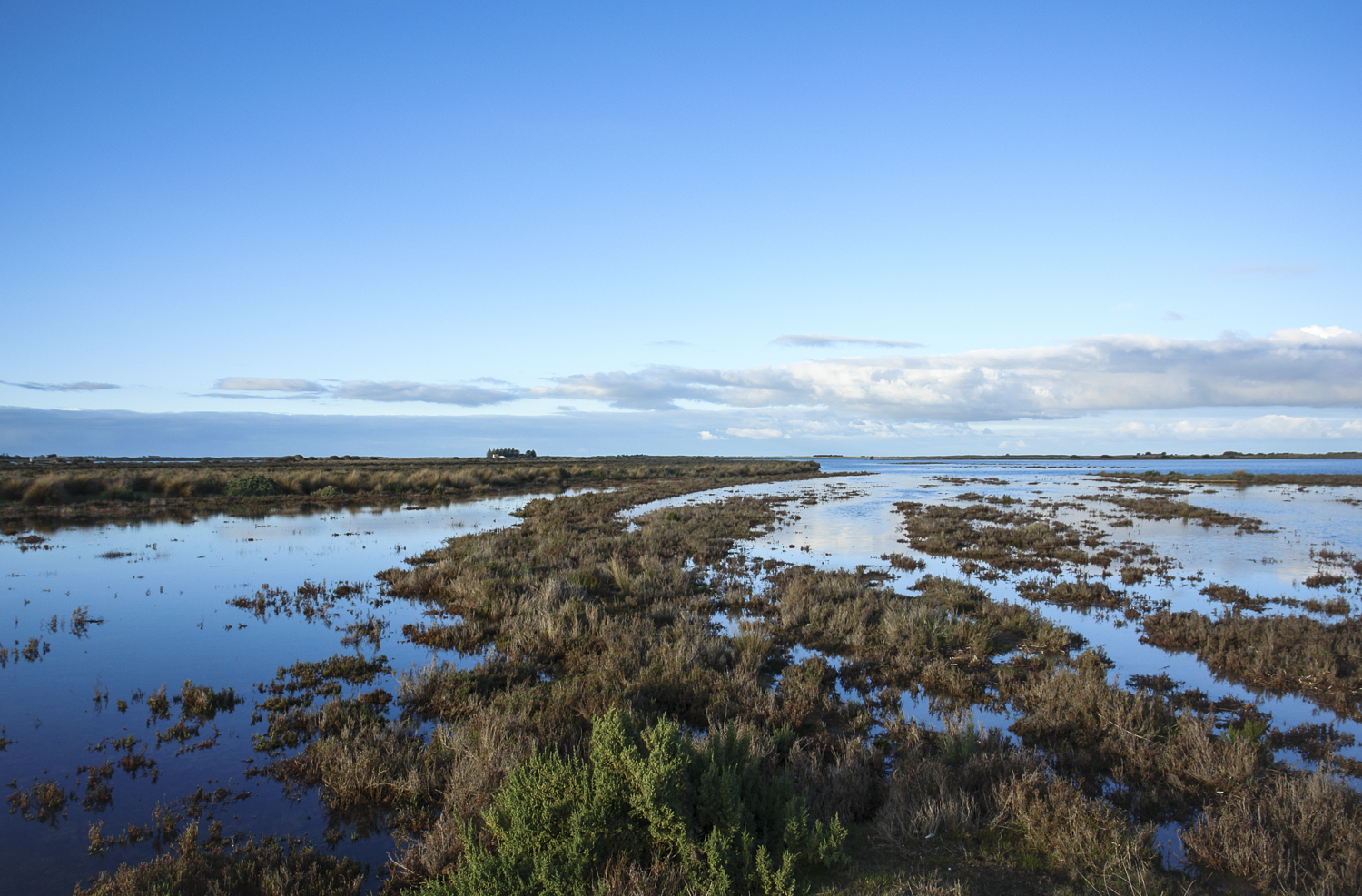
One of the central challenges of the anthropocene, not only for philosophy, but also for literature and other forms of art, is to extend our thinking of alterity in the direction of an ecological ethics, in which we are accountable to more than only human others. This ecological ethics needs to include the voices and perspectives of the surviving indigenous people living on the river. For the Lower Lakes and the Coorong the voices that need to be included are those of the Ngarrindjeri.

 Nourishing Terrains
Leave a reply to The 'Our-Waters' project – Thought FactoryThought Factory Cancel reply