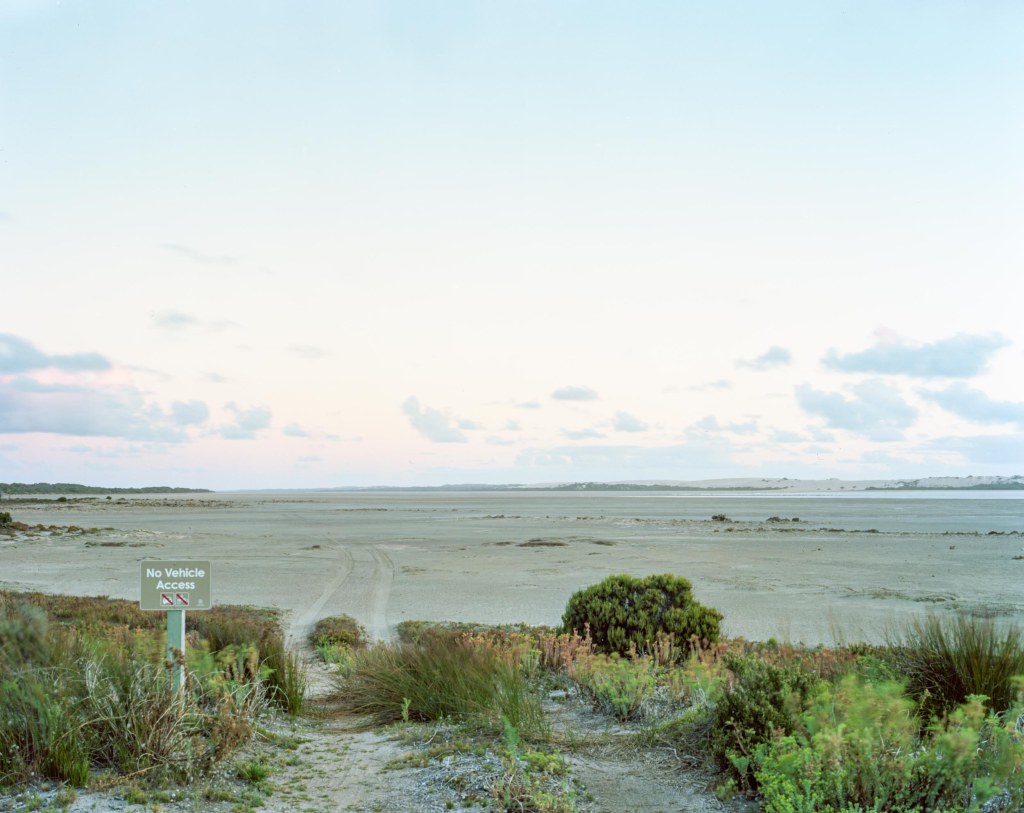
The problem with this kind of idealized framing is that it denies the long history of Aboriginal groups — the Ngarrindjeri people — in these particular wetlands. The Ngarrindjeri have creatively co-created these wetlands in relation to and together with plants, animals, and natural forces.
The period of British settler colonization saw sealing in the Southern Ocean and the construction of the engineering works — drains and barrages — for agricultural interests. This resulted in reductions in freshwater inflows, salter water in the Coorong with consequences for fish, birds, other wildlife, plants and the Ngarrindjeri.

In the first two decades of the 21st century the long nosed fur seals have enter the lagoon and undermined the economic viability of fishing in the Lower Lakes (Alexandrina and Albert) and the Coorong as they maim the pelicans, eat the readily supply of fish and damage the fishing nets.
Then we have the effects of Anthropogenic climate change which is making droughts more severe — longer and drier — and floods fewer but more severe. So the Coorong wetlands will experience longer dry periods punctuated with more extensive periods of inundation which will impact on animals, plants and humans.
So the ecology of these wetlands cannot be understood as an ahistorical enclosed and exclusionary space. It is a contested landscape with a legacy of past disputes such as the 1911 pelican slaughter by the fishing industry and its subsequent fallout.
 Nourishing Terrains
Leave a comment