
One of the frequent responses to the common experience of landscape loss in Australia’s industrial modernity –eg., salt ladened landscapes, dried out wetlands, low flows in our rivers, on-going land clearing and the loss of biodiversity in Australia—is that of nostalgia, or a yearning for what has been lost in the Anthropocene. The rivers used to flow with clean water, the wetlands teemed with bird life, there were plenty of fish in the rivers, there was rich biodiversity etc etc.
What has been lost in this destruction of nature is connected to issues of location and place of river communities. Nostalgia involves a sense of unhappiness with the present, against which the past, or often, an idyllic past, is favourably compared. Lewis Bush in his discontinued Disphotic: Writing on Photography blog puts it this way:
Contemporaneously nostalgia has come to describe an emotional response to a memory, typically a positive one of longing for a specific thing or time in the past, still in a way a sort of homesickness for a place once occupied but now impossible to return to.
This response to industrialized landscapes is often characterised as a ‘defence mechanism’ for those who are uncomfortable with change. Finding comfort in looking back is seen to reflect parochial concerns, which are often conservative and backward looking. Nostalgia, as a yearning for yesterday, is seen as passive and reactive and contains melancholic ideas and practices.
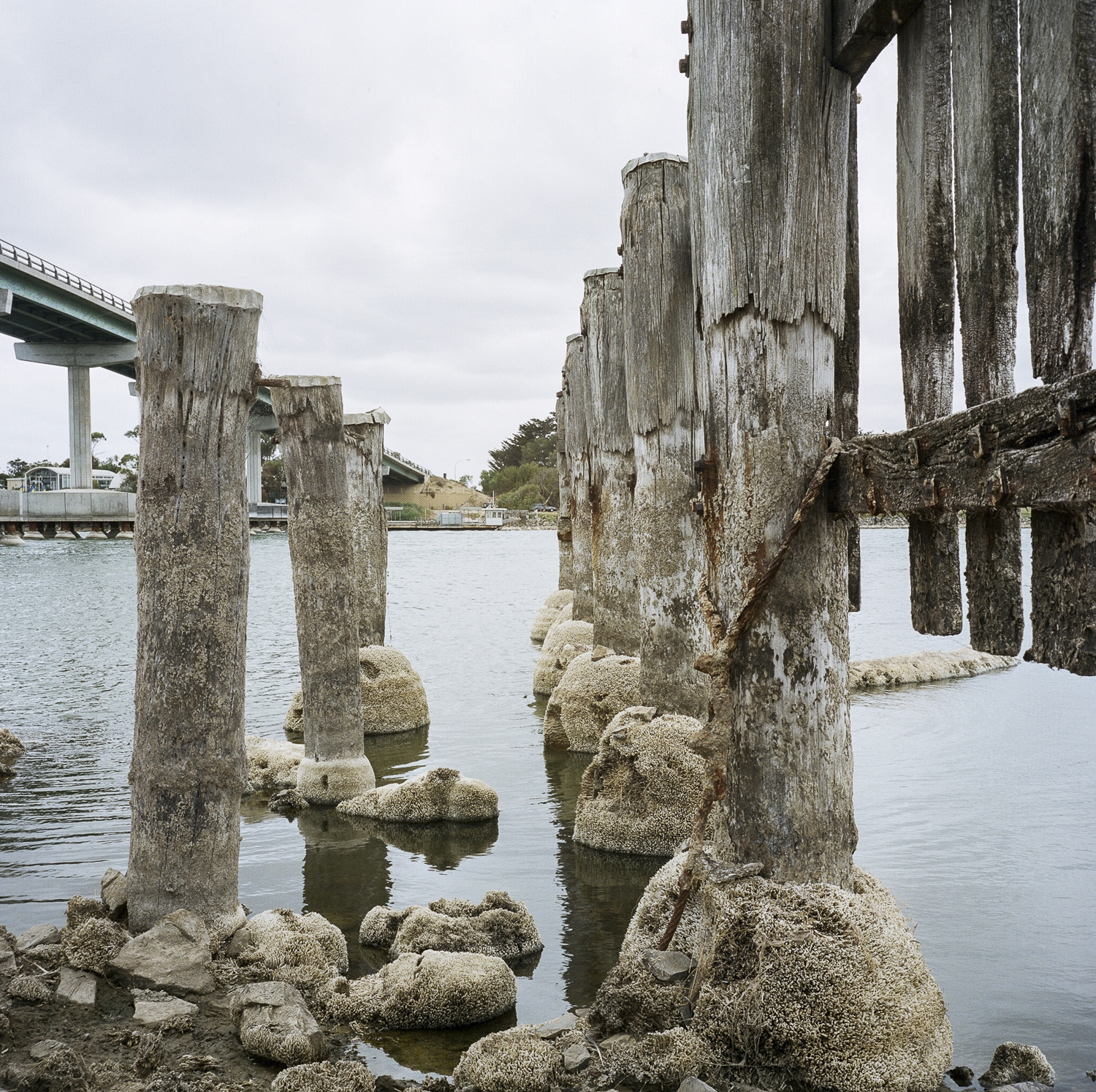
Yearning and nostalgia are uncomfortable and personal emotions and themes, characterised by bewilderment, darkness and grief bought on by the loss of home, community and landscape when the rivers stopped flowing.
For many the past in the late 20th, and increasingly in the early 21st century, has never looked more attractive and the future more scary. The past, with its rivers boats and flowing rivers is seen to be attractive because people find the present state of the rivers in the Murray-Darling Basin upsetting and bewildering. They question the idea of progress, namely the view that historical time is a progressively improvement on the world of the 19th century.
Those who hold that history is to be conceived of as a linear path of events progressing inexorably towards the future see nostalgia is a backward looking conservative response to the quickening ecological devastation.
They argue that we need to be forward-looking. Issues of location and place reflect parochial concern. We need to face the future since the past is old fashioned and past. Nostalgia is suspect because it means that we ‘run the risk of constricting our ability to act in the present.

Nostalgia–sense of regret in the face of passing time—is coeval with modernity, they are two sides of the same coin as it were. Nostalgia is in and against modernity.
Embodied in the sense of landscape loss is a topophilia or a love of place, as well as an understanding of the vulnerability of life: it is precarious and unstable. When connected to place nostalgia has the power to question and challenge our categories since it is incorporates attitudes and articulations of feeling and care about belonging in a particular place where they feel at home.
Associated with this strong nostalgic yearning is the emergence of visions of the future located in the lost/stolen/abandoned but undead past with its historical stratas and scrapheaps. Nostalgia recognizes aspects of the past as the basis for renewal and satisfaction in the future, a form of questioning and challenging contemporary conditions and ideologies.
So there are creative and critical aspects to nostalgia that can be deployed to find better, more meaningful and deeply felt, connections with non-human life.

 Nourishing Terrains
Leave a comment